

Heading to the grocery store during the COVID-19 pandemic? First things first: There’s no need to hoard. If you’ve noticed empty shelves at your local market, it isn’t because of any disruption in the food-supply chain; it’s because nervous shoppers have been stocking up more than is necessary. Don’t follow their lead.
Instead, be strategic about what you do purchase, prioritizing foods that have a longer shelf-life, myriad uses, and lots of nutrients. With all that in mind, here are 7 categories to look for when grocery shopping in the coming weeks and months, starting with the most essential.
Determine Your Menu When You Shop – What Ought to Be in Your Shopping Cart

It’s an established fact that people who go grocery shopping while hungry buy more and less healthy foodstuffs. Munching on a granola bar or an apple before you will help you make more considered choices and avoid impulse buying. The principle behind shopping for a healthy diet is to choose healthy options, buy enough of the right stuff, and then use these ingredients to cook meals that won’t be a chore to eat.
You might be a meticulous menu planner who knows exactly what you need, but most of us probably just figure out what we’re going to cook as we stumble along through the week. However, the following guidelines can be useful.
The average adult needs, per day:
- almost 1 pound (400g) of vegetable matter
- 2500 calories, depending on many factors
- 2 ounces (55g) of protein
- water when thirsty
That is pretty much it. If you eat a good variety of fruits and vegetables, your need for fiber, antioxidants, vitamins, and minerals will be taken care of automatically. If you do the multiplication, a family of four is supposed to eat a whopping 24 pounds (11kg) of fruit and vegetables per week! Yes, seeing it all together at once will be intimidating, but here’s one way it can break down: a banana for breakfast, an apple at lunch, and a cup of cooked vegetables and a small salad at dinner. You don’t have to eat it all at once!
Vegetables are nutrient-rich but low in calories so you can assume that this daily ration will contribute only about 300 calories. The following amount of carbohydrates will contribute another 2000, leaving 200 to be supplied by oil used in cooking and other sources:
- 10 cups of cooked white rice
- 5 ½ pounds (2 ½ kg) potatoes
- 1 pound (½ kg) dry pasta, or one medium pot full when cooked
By contrast, 4 large candy bars or 4 medium servings of French fries contain the same amount of food energy. Of course, most people don’t eat potatoes and vegetables exclusively, and calories from starch should make up only about 1/3 of a balanced diet.
For your protein requirement, the following foods can provide your 2 oz. Daily requirement:
- 9 eggs
- 7 oz. (200g) pork or beef
- one mounded cup of uncooked kidney beans
- 7 oz. (200g) cooked shrimp
- 14 oz. (400g) halibut
As you can see, a healthy diet can comprise a huge amount of food. Nobody needs to go hungry to lose weight. Doing the appropriate multiplication for how many people you need to feed, and of course keeping in mind that nutritional requirements are dependent on body mass, you can figure out approximately how much of these staples you should be buying, cooking and eating per week. Please note that religiously paying attention to these numbers is neither necessary nor very scientific; these are only rules of thumb to guide your shopping decisions.
Go for the Freshest

Especially when it comes to fresh produce that’s out of season or imported, your supermarket’s “fresh” fruit and vegetables may have been picked anything from a week to months before they appear on the shelves. During this time, they may be preserved in a variety of ways, from picking them before they’re ripe to chemical treatments. Making friends with a local greengrocer, who’s willing to tell you where his product comes from, will mean getting the most nutritional value out of that pound of plant-based food you should be eating every day.
Eat Fewer, Healthier Fats and Less Sugar
Trans and saturated fats, typically formed when oil is kept at high temperatures for long periods, are extremely unhealthy for your heart and cardiovascular system. Margarine and store-bought mayonnaise are some of the worst offenders. I’m practically willing to throw a tantrum complete with screams and tears if I’m served a dish containing one of these at a restaurant – yes, you can taste the difference. Opting for healthier alternatives (say, butter and sour cream) will significantly decrease your odds of heart disease a few years down the line.
Fried snack food is equally bad, so replacing those potato chips with baked salty treats or mixed nuts, is an excellent step in avoiding these killer fats. Many sweet baked goods and cake mixes also contain shortening – learning to bake from scratch is not difficult and will also save you from ingesting the added preservatives, emulsifiers, sweeteners, anti-caking agents and who knows what else.
Animal fat is also not particularly good for you, especially if you’re going to grill your meat at high temperatures. Choosing leaner cuts is more expensive, but so is a visit to the cardiologist. You can also consider eating more seafood, skinless chicken, eggs or low-fat cheese.
A vegetable oil such as canola is suitable for most purposes, but it’s also worthwhile to keep a bottle of more expensive extra virgin olive oil in the kitchen for dressings or any dish that won’t be cooked much.
Excessive sugar, particularly as found in manufactured food, is the major cause of weight gain and diabetes. Our bodies are in no way evolved to digest candy or soda, so not buying these at all is by far the more healthful option.
Include Raw Foods
Although it sounds faddish, including raw food in your diet significantly increases the amount of nutrition you take in. Lettuce, spinach, cabbage and other leafy vegetables can all be eaten raw, contain virtually no calories and provide unbelievable quantities of antioxidants, vitamins, minerals and other things your body needs. Throwing a salad together is very quick and can complement almost any meal.
Make Your Own Beer at Home

Stay safe, stay home, make beer. Brewing beer at home is easy. If you can make mac and cheese from a box without help, you can make beer.
- Step 1: Prepare. Gather your brewing equipment. You'll need: Home Brewery Starter Kits
- Step 2: Brew. Steep Grains. Fill your 5-gallon brew kettle with 2.5 gallons of water
- Step 3: Ferment. Don't forget to sanitize all your supplies!
- Step 4: Bottling. After fermentation is complete, typically within two weeks, it's time to bottle your beer.
Making a Start Towards the Ultimate Healthy Grocery List
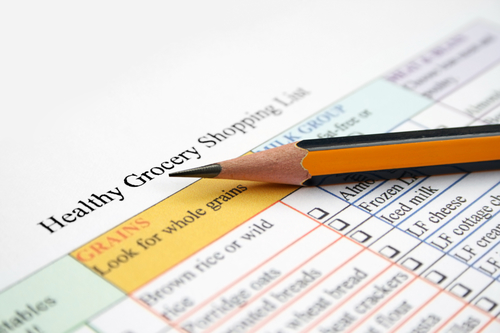
Now that we’ve discussed some basic guidelines let’s look at specific healthful foods that you can slot into your weekly grocery list.
Oatmeal, being a whole grain, contains a large quantity of fiber and absorbs cholesterol in the gut, before it can reach the bloodstream. Besides this, it contains significant amounts of several minerals, antioxidants and B vitamins. You can improve both the appeal and the nutritional value of this breakfast by cooking it with cinnamon or vanilla essence or adding fresh fruit.
Legumes: eating lentils, garbanzos or any kind of beans two or three times a week will improve digestion, lower cholesterol and contribute to weight loss.
Fresh fruit: Not just apples and oranges, but as wide a variety as you can find. When shopping, figure on ten pieces per person per week or choose larger fruit the whole household can share. Don’t forget to grab some berries (any type), which have some unique health effects.
Vegetables: The one thing that cannot be neglected in a healthy diet. Yes, six pounds per person per week seems crazy, but this quickly becomes easy when you discover new ways of preparing them. Try stir-fries, sliced raw and tossed with balsamic vinegar and olive oil, in soups and stews along with some meat, or invest in a steamer.
Healthy proteins: The key here is to include as little fat as possible, and increase the amount of vegetable protein you eat. Beans and nuts are good choices, while leafy greens shouldn’t be overlooked. As far as cholesterol is concerned, the jury is still out about eggs.
Salad stuff: Humble ingredients such as cucumbers, radishes, lettuce, and tomatoes are all enormously rich in nutrients, easy to prepare, low in calories and the perfect accompaniment to almost anything, including just some wholewheat bread.
Superfoods: These ingredients are the superstars of the nutritional world. Although they might not occupy a regular place on your grocery list, including them from time to time will give your body a nutritional boost.
Avocados are jam-packed with healthy oils that benefit every organ from your heart to your skin and assist in the absorption of other nutrients.
Leafy greens, such as bok choi, spinach, and kale. These have too many benefits to mention, but certainly, the available calcium alone makes them worthwhile to eat.
Teas: Black, green, chamomile, mint, or any of several dozen popular varieties. Comprising exactly zero calories, they are all pleasant to sip after dinner and provide some nutrients to supplement the solid part of your diet.
Soy products: Whether tofu, soy milk or plain beans, this food is one of the most complete vegetable sources of amino acids and helps stabilize hormone levels, particularly during menopause.
Home Brewery Starter Kits: These brewing kits include everything you will need to start making great beer at home.
Staying with It

In a time of war, a nation often redirects its production to the outputs needed most. As of right now, the collective output of parental patience is at historical highs. Remain optimistic. Do your part, stay home to flatten the curve. Stay home, stay chillin, stay comfy in style.